Guides6 min
How to choose a roofer (and spot a storm chaser)
Five questions that separate a real local roofing company from a truck with a magnetic sign — and the red flags that should end the conversation.
Erin Vasquez
Co-founder & Head of Operations
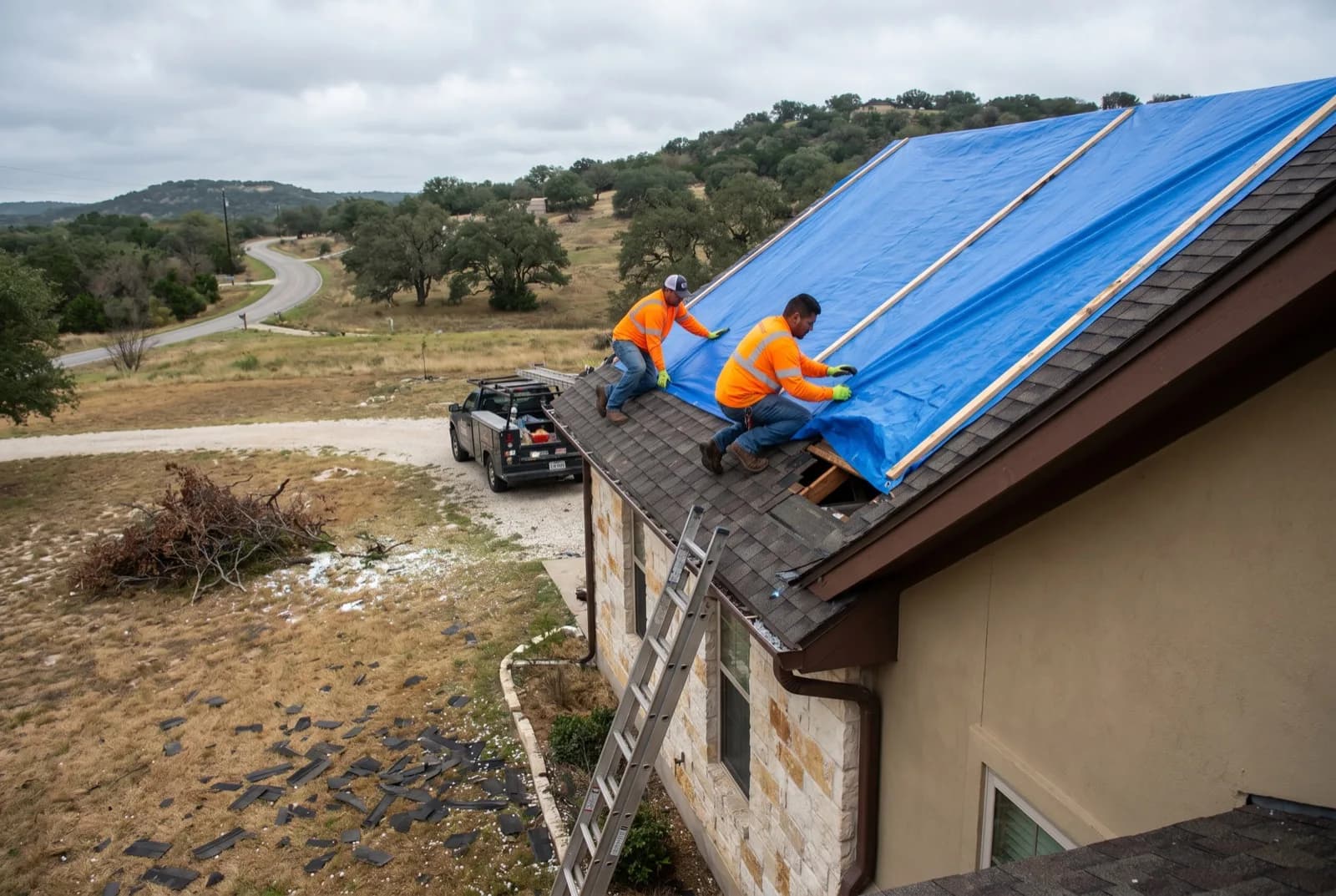
Why this matters most after a storm — The week after a big hail storm, your neighborhood fills with out-of-town crews knocking doors. Some are legitimate. Many take deposits, do fast work with cheap materials, and are three states away before the first leak shows up. The industry calls them storm chasers, and Texas draws more of them than any other state.
Question one: where's your office? — Not a P.O. box — a physical address you could drive to. A roofer with a local address has to answer for their work at the grocery store. Ask how long they've been at it locally, and check that the reviews mention your towns, not towns in another state.
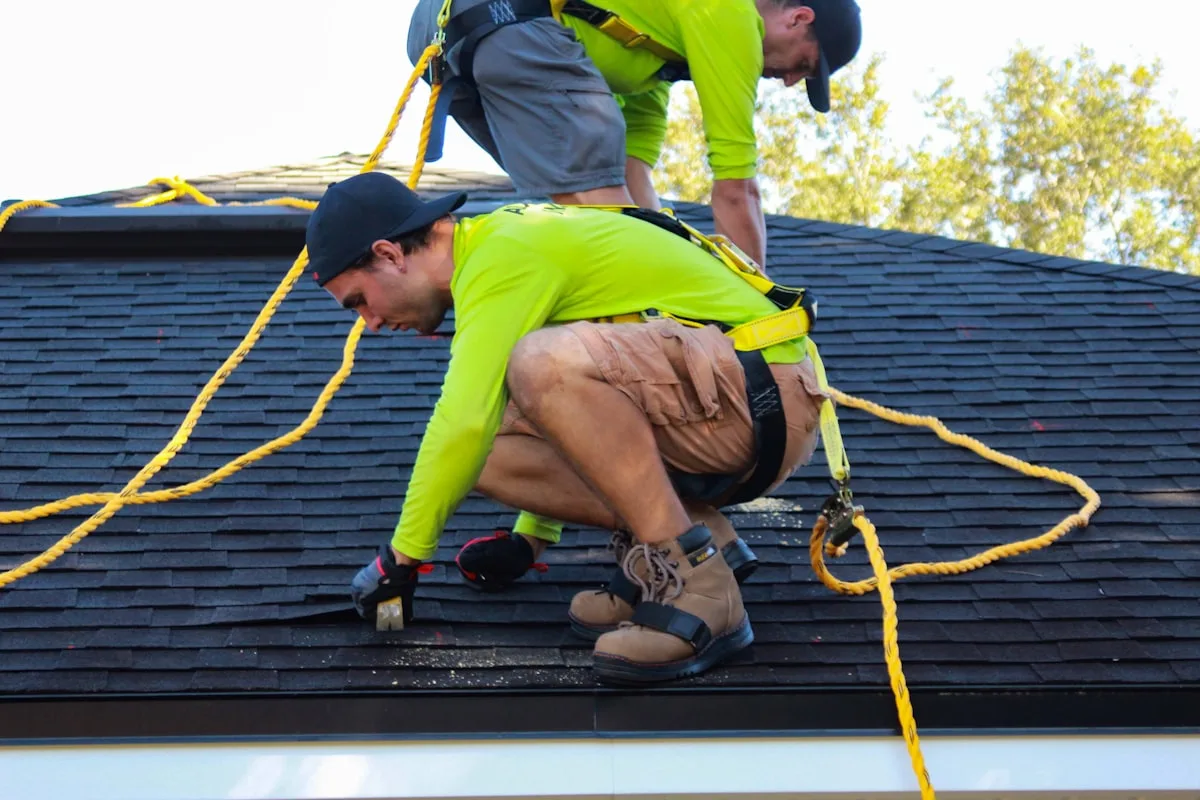
Question two: who exactly is on my roof? — Some companies sell the job and subcontract the work to whoever's available that week. Ask: are your crews your own employees? Will the person who quotes the job be reachable during it? You want one name that stays on your project start to finish.
Question three: is the warranty in writing, and what does it cover? — Every roof comes with two warranties: the manufacturer's (on materials) and the roofer's (on workmanship). The second one is the one that matters when a valley leaks — and it's only as good as the company's odds of existing in year ten. Get the years, the coverage, and the transferability in writing.
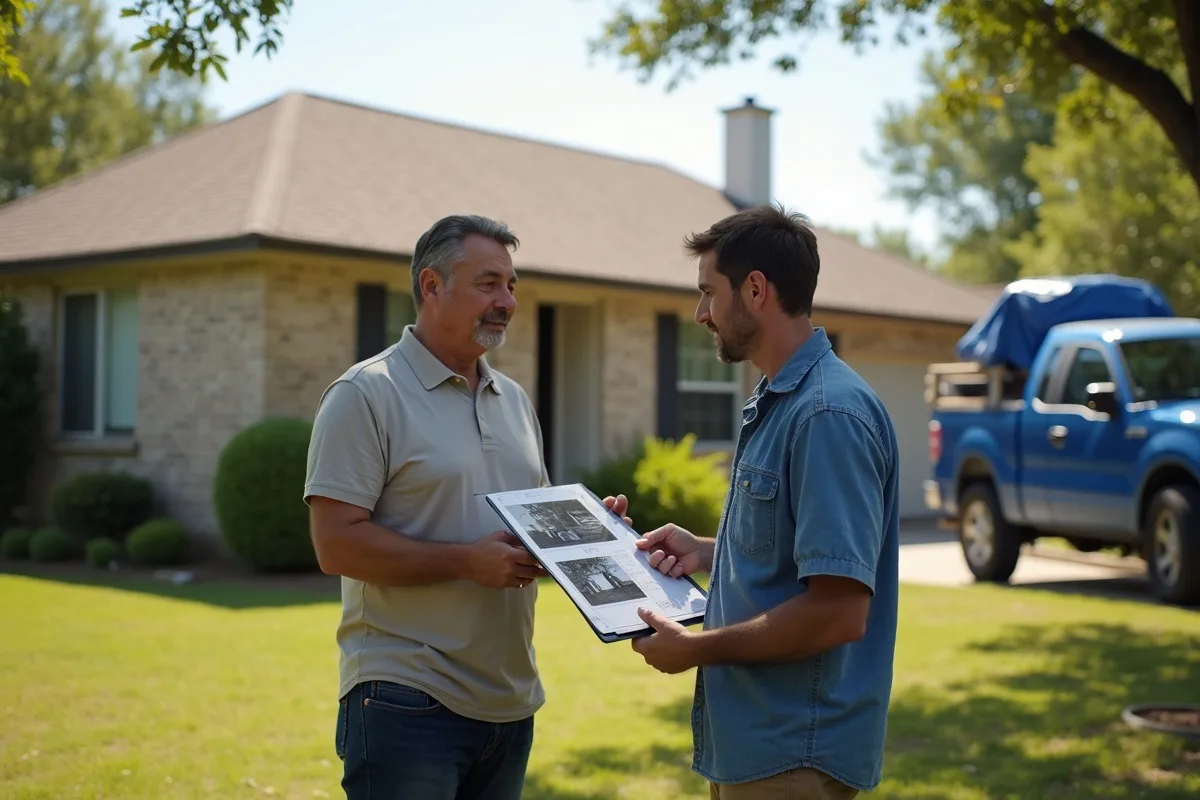
Question four: can I see the quote line by line? — A real quote lists the shingle brand and class, the underlayment, ice-and-water shield, flashing, venting, decking price per sheet, tear-off, and cleanup. "New roof — $14,000" on a carbon copy sheet is not a quote; it usually means surprise charges later.
Question five: are you licensed and insured — show me? — Ask for the insurance certificate, not a yes. If an uninsured worker gets hurt on your property, that can become your problem. Legitimate companies send the certificate before you finish asking.
The red flags that end the conversation — A deposit required today for a "storm price." An offer to "cover your deductible" (that's insurance fraud in Texas — felony-level since 2019). Pressure to sign an assignment of benefits on the first visit. No local address. A quote that's 30% under everyone else's — the savings come from cheaper materials in the layers you can't see.
The easy test — Ask any roofer for three addresses of roofs they installed five or more years ago within twenty minutes of your house. We'll give you ten. Start with a free inspection — no pressure, and the report is yours either way.